
From Paper to Patient Portal: How Bahamian Clinics Are Transforming Care
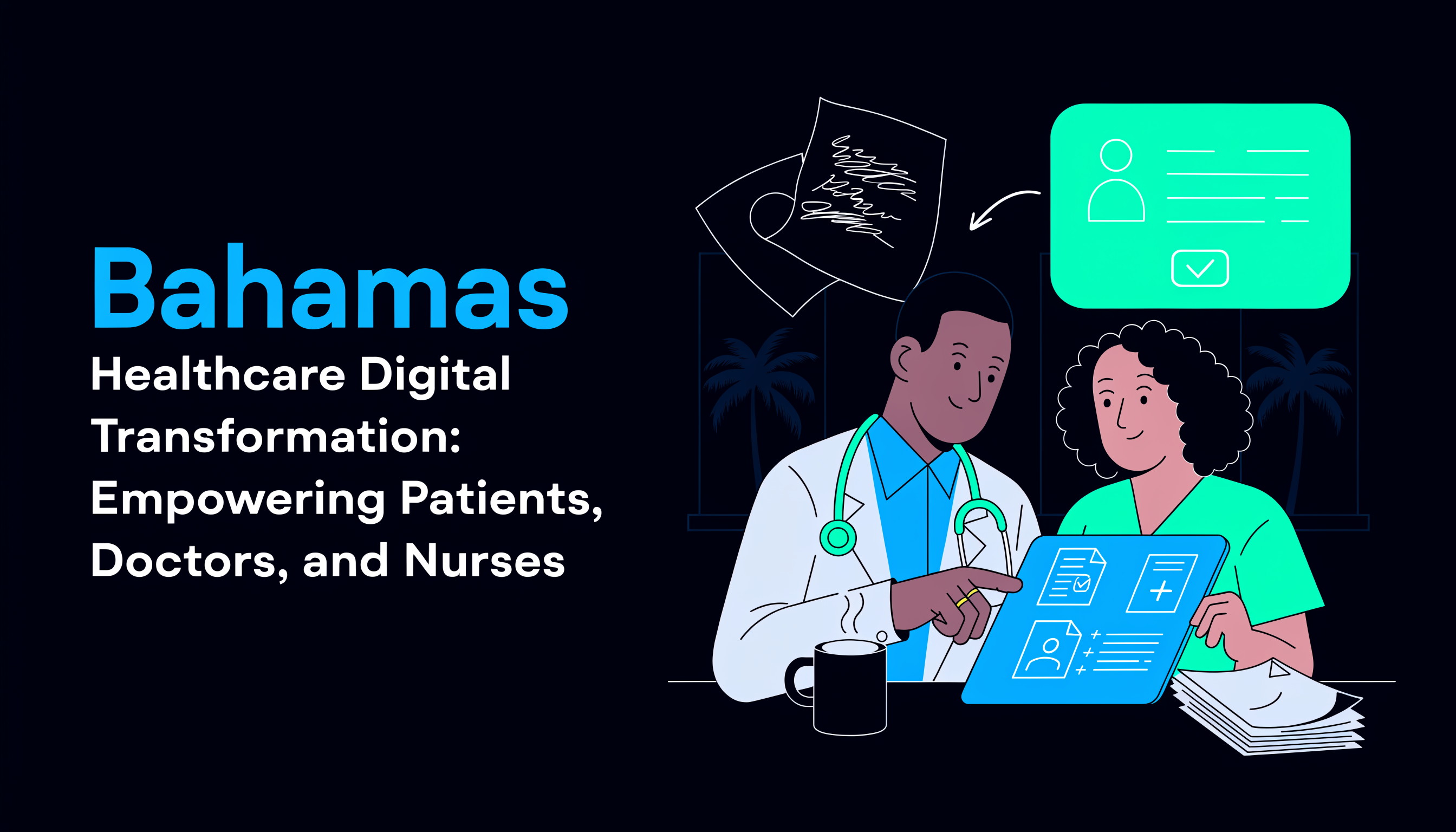
The Paper Chart Is Becoming Obsolete — Even in The Bahamas
A few years ago, a fully paperless medical practice in Nassau seemed like a distant ambition. That perception is changing. A new generation of clinic management software is purpose-built for smaller practices in markets like ours: affordable subscription models, cloud-based systems requiring no local server, and mobile apps that work even when internet connectivity is imperfect.
The Real Cost of Paper-Based Medical Records
Time cost: Healthcare staff in paper-based practices spend 15-20% of their time on documentation and retrieval tasks that electronic systems automate. Illegible handwriting, missing allergy information, and incomplete records also create patient safety risks.
Space cost: Physical storage space for years of patient charts is expensive and often reaches its physical limit before the retention period ends.
Security cost: Paper charts have no access controls, no audit trail, and can be destroyed without backup — containing some of the most sensitive information a person ever creates.
What Healthcare Technology Includes
Electronic Medical Records (EMR): Digital replacement for the paper chart. Any authorized clinician can see the complete, legible, organized history of a patient in seconds. Platforms like athenahealth, Kareo Clinical, and DrChrono are accessible from The Bahamas.
Patient Portal: Patients book appointments online, access their records, send secure messages, complete intake forms before arrival, and view bills. Dramatically reduces incoming phone calls and improves patient experience.
Appointment Reminders: Automated reminders via SMS/WhatsApp reduce no-shows by 30-50% — one of the quickest returns on healthcare technology investment.
Telemedicine: For Family Island practices, telemedicine is transformative — specialist consultations that previously required an inter-island trip to Nassau can be conducted by video.
A Practical Implementation Plan
Phase 1 (Months 1-2) — Communication and Scheduling: Online appointment booking, automated reminders, digital intake forms. Expected: 20-40% reduction in reception phone calls, significant no-show reduction.
Phase 2 (Months 3-6) — Clinical Records: Select and implement EMR, train clinical and reception staff, transition new patients to digital records.
Phase 3 (Months 6-12) — Full Integration: Integrate billing with clinical records, launch patient portal, implement telemedicine, begin retrospective digitization of historical paper records.
Security Requirements
Healthcare data is among the highest-value targets for cybercriminals. Digital requirements: encryption at rest and in transit, multi-factor authentication, role-based access controls, automatic logoff, full audit logs, and tested backup/recovery. Fortinet network security solutions provide the network layer protection that protects your entire clinic's digital infrastructure.
If you'd like to understand what's realistic for your practice, book a consultation with the Digitize Bahamas team.
Tags
Ready to Transform Your Document & Records Management?
Get a free assessment and see how Docu Island can help your business
Get Free Assessment