
The Bahamian Guide to e-Commerce: Selling Online From Nassau or the Family Islands
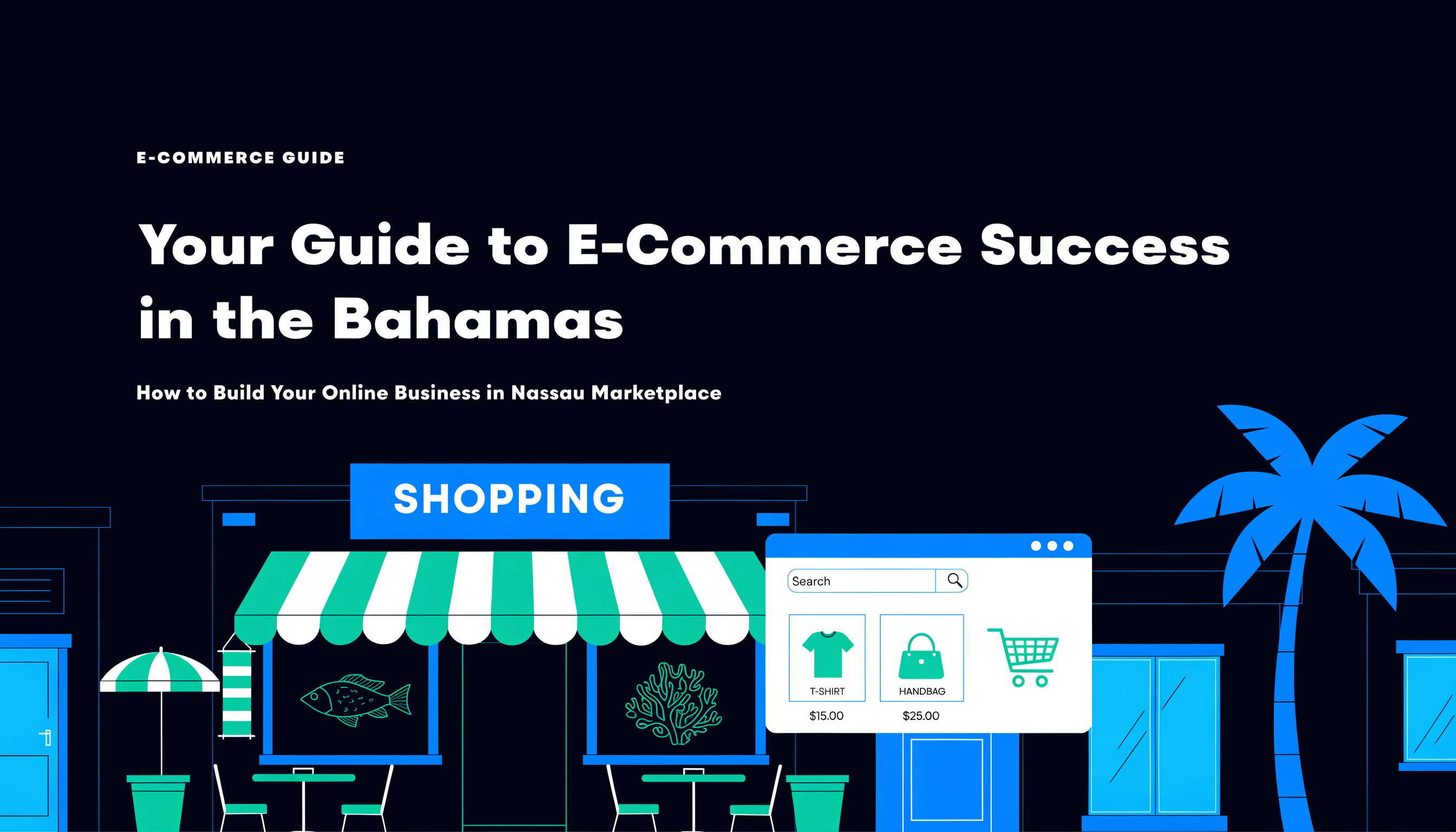
The Online Store Next Door Is Real
A boutique in Cable Beach. A bakery in Eleuthera. A contractor in Freeport. What do these businesses have in common? They're all selling online now — and the ones that started two years ago are already building recurring revenue from customers they never would have reached through a physical location alone.
The tools available today are genuinely accessible to Bahamian small business owners — even those in the Family Islands without reliable high-speed internet for every hour of every day.
What You Can Actually Sell Online
Physical products: Retail shops, food producers, artisans, gift businesses, clothing boutiques. Many Bahamian businesses start with local delivery only, which dramatically simplifies logistics. Bahamian food products, handmade crafts, and clothing with local themes are selling well to both local customers and the tourism market.
Services: Consultants, lawyers, accountants, designers, coaches. Booking-based (clients choose a time, pay online) or remote delivery (consulting calls, graphic design, online training).
Digital products: Guides, courses, templates, stock photos. Essentially zero delivery cost once created.
Platform Options
Shopify ($39/month) — the global standard for e-commerce. Reliable, easy to manage, with native integrations for payment, shipping, and marketing. Best for physical product businesses planning to grow.
WooCommerce (free plugin + hosting) — if you already have WordPress, adds e-commerce without a separate platform fee.
WhatsApp + Order Form — for Family Island businesses with limited connectivity, a product catalog on Facebook/Instagram with orders received via WhatsApp and payment by bank transfer is a viable, zero-cost starting point.
Accepting Payments
Payment processing is the biggest operational challenge for Bahamian e-commerce. Options include international processors (Stripe, PayPal — verify current Bahamian merchant availability), Bahamian bank payment portals, Sand Dollar merchant integration, and manual bank transfer confirmation for larger purchases. Start with whatever is accessible, then invest in more sophisticated infrastructure as volume grows.
Delivery
For Nassau: in-house delivery, Nassau delivery services, or customer pickup. For Family Islands: mailboat (affordable but slow), island flights (for high-value items), or customer-arranged shipping. Be honest with customers about timeframes.
Your 30-Day Launch Plan
Days 1-7: Decide what you're selling, choose your platform, photograph your top products, set up payment acceptance, define delivery terms.
Days 8-14: Create your online store, write selling descriptions, set up Instagram business account.
Days 15-21: Send to 10 trusted contacts for feedback, place a test order yourself, make adjustments.
Days 22-30: Launch to your existing network, post 3-4 times on Instagram, ask satisfied customers to share.
If you'd like help setting up your e-commerce infrastructure, book a free consultation with the Digitize Bahamas team.
Tags
Ready to Transform Your Document & Records Management?
Get a free assessment and see how Docu Island can help your business
Get Free AssessmentRelated Articles
AI Tools for Bahamian Businesses: What's Actually Useful Right Now
The AI conversation often sounds like science fiction. This post cuts through the hype and focuses on what AI tools are doing practical, revenue-generating work for Bahamian businesses in 2029.
Jul 10, 2029Hurricane Season Business Continuity: The Digital Preparation Checklist for 2029
Hurricane season runs June through November. For Bahamian businesses, digital preparation isn't optional — it's the difference between recovery and closure. Here's the 2029 checklist that actually matters.
Jul 3, 2029Retail Automation for Bahamian Shops: Inventory, POS, and Beyond
Retail automation for Bahamian shops isn't about robots — it's about inventory tracking, POS integration, and reorder triggers that save time and prevent stockouts.
May 29, 2029